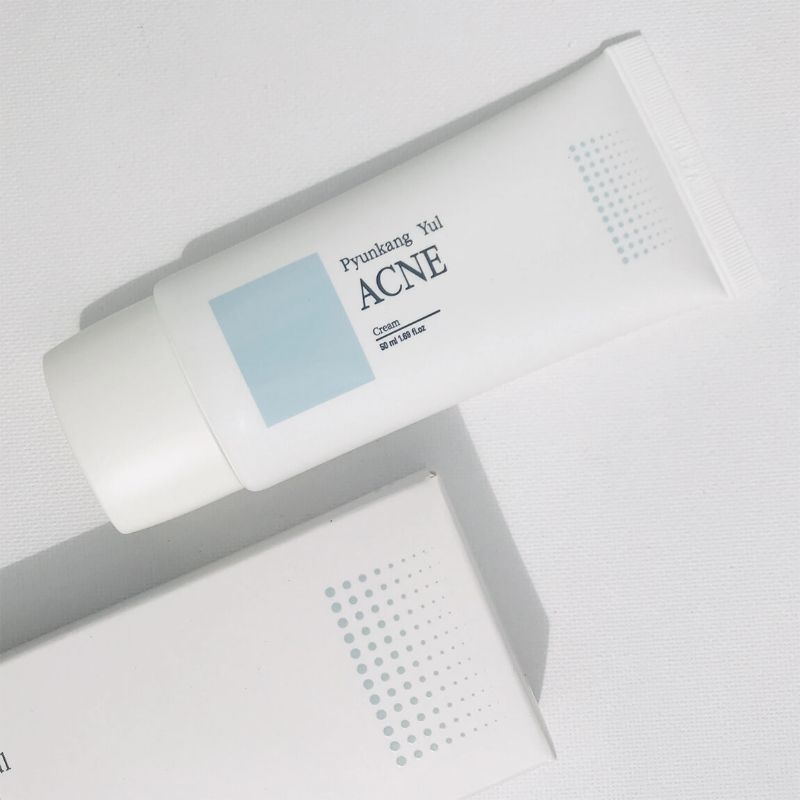
Acne-prone skin is often treated aggressively. Many routines focus on drying out the skin or targeting breakouts with strong active ingredients. While this can reduce pimples short term, it often worsens irritation and damages the skin barrier over time.
Korean skincare takes a different approach. Instead of fighting acne directly, it focuses on calming the skin, restoring balance and supporting the skin barrier, which can lead to clearer skin in a more sustainable way.
What acne-prone skin really needs
Acne-prone skin is often misunderstood as oily skin that needs to be dried out. In reality, many people with acne have dehydrated or barrier-damaged skin.
When the skin barrier is weakened, the skin produces more oil, becomes inflamed more easily and struggles to heal existing breakouts. Supporting hydration and barrier health is therefore essential for long-term improvement.
Why Korean skincare works for acne-prone skin
Korean skincare focuses on prevention and balance rather than harsh correction.
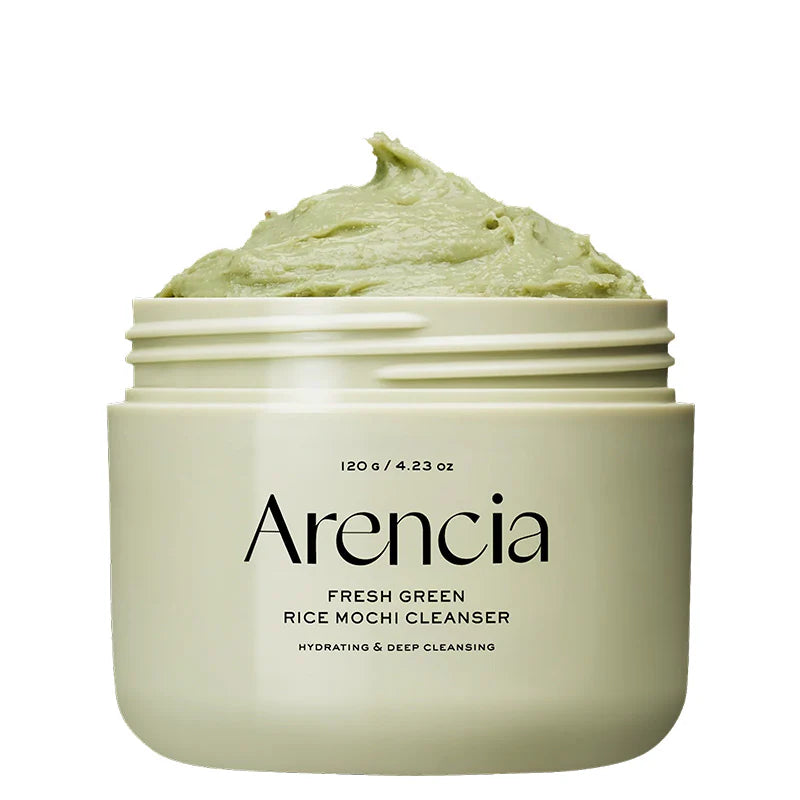
Gentle cleansing prevents clogged pores without stripping the skin. Hydration layering helps calm inflammation and reduce excess oil production. Barrier-supportive ingredients allow the skin to heal more efficiently.
This approach often results in fewer breakouts over time and less irritation compared to aggressive acne treatments.
Common ingredients in Korean skincare for acne-prone skin
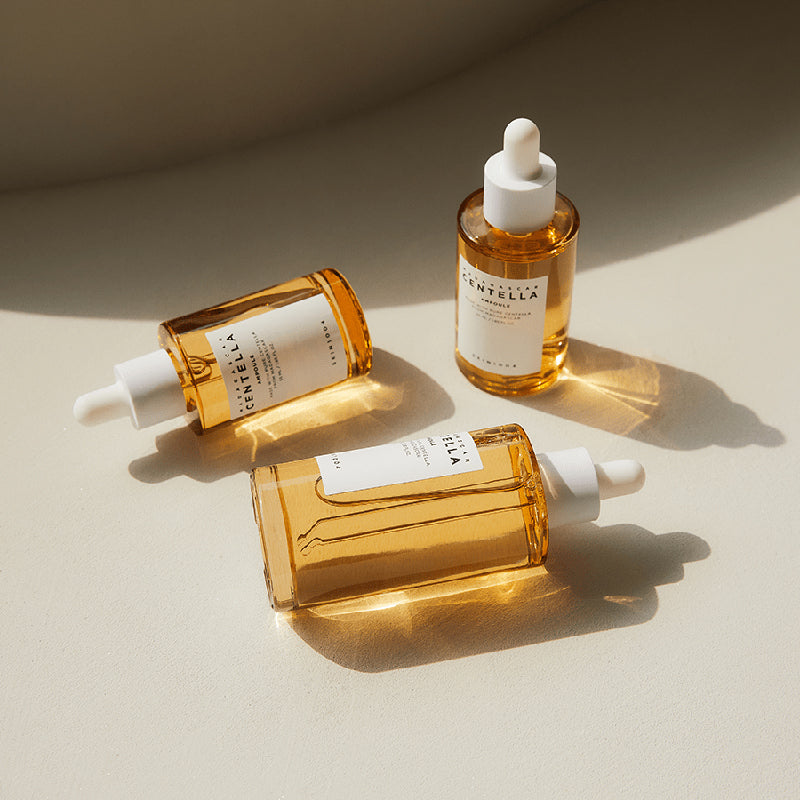
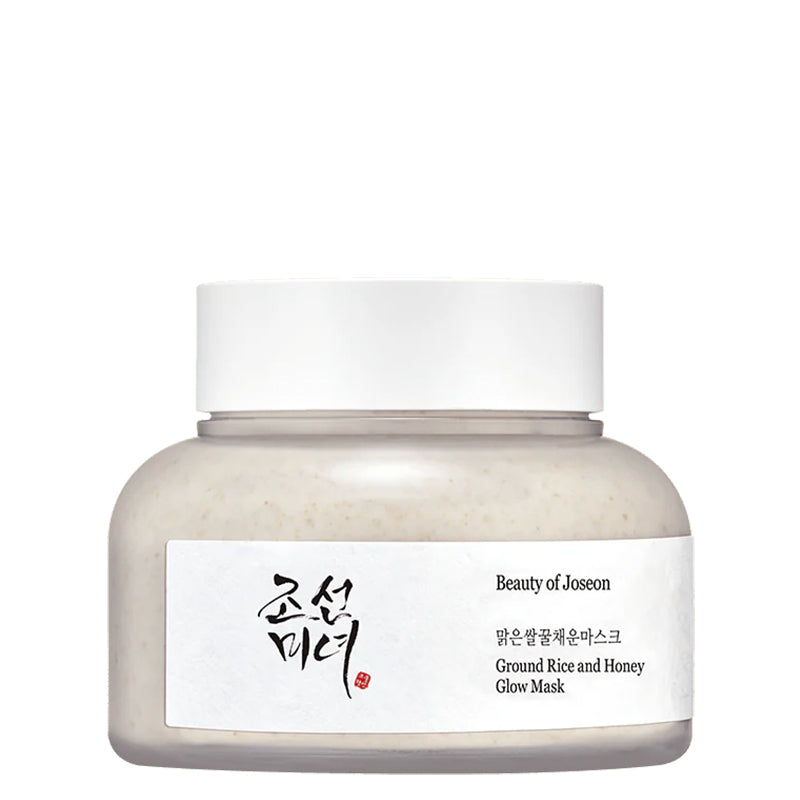
Korean formulations for acne-prone skin typically prioritise calming and repairing ingredients.
These ingredients help reduce redness, support healing and improve skin resilience rather than attacking the skin with drying agents. Lightweight textures are used to prevent congestion while still delivering hydration.
How to build a Korean skincare routine for acne-prone skin
A routine for acne-prone skin should be consistent and gentle.
Cleansing should remove impurities without leaving the skin tight. Hydration should be added immediately after cleansing to support the barrier. Treatment steps should focus on calming and balance rather than intensity.
Using fewer products consistently is often more effective than switching routines frequently.
Mistakes acne-prone skin often makes
One common mistake is over-exfoliation. Exfoliating too often disrupts the skin barrier and can increase inflammation and breakouts.
Another mistake is skipping moisturiser out of fear of clogging pores. Without proper hydration, the skin may produce more oil, which can worsen acne.
Mixing too many treatments at once can also overwhelm the skin and slow progress.
Choosing the right routine without trial and error
Acne-prone skin benefits most from routines where products work together rather than compete with each other.
For those who prefer guidance, following a curated routine designed specifically for acne-prone skin can help reduce experimentation and support consistency.
ME/&SKIN curates Korean skincare rituals focused on calming, hydration and barrier support, making them suitable for acne-prone and reactive skin.
Final thoughts
Korean skincare can be very effective for acne-prone skin because it treats acne as a barrier and balance issue rather than just a surface problem.
By focusing on gentle care, hydration and consistency, acne-prone skin often becomes calmer, clearer and easier to manage over time.
Frequently Asked Questions
Is Korean skincare good for acne-prone skin?
Yes. Korean skincare focuses on gentle cleansing, hydration and barrier repair, which can help reduce breakouts over time.
Will Korean skincare clog pores?
When lightweight products are used correctly, Korean skincare is unlikely to clog pores and may actually help balance oil production.
Can acne-prone skin use moisturiser?
Yes. Proper hydration is essential for regulating oil production and supporting skin healing.
How long does it take to see acne improvements?
Many people notice calmer skin within a few weeks, with clearer skin developing over several months of consistent care.
Should acne-prone skin avoid exfoliation?
Exfoliation should be gentle and limited to one or two times per week to avoid irritation.