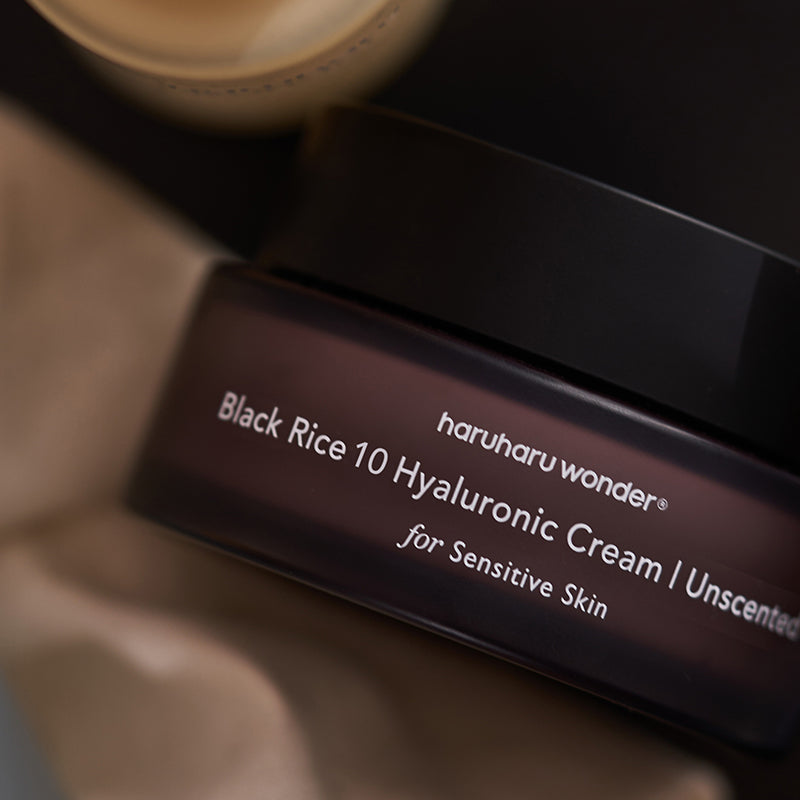
Sensitive skin reacts easily. Redness, tightness, burning sensations or sudden breakouts often appear when the skin barrier is compromised or products are too aggressive.
Korean skincare is frequently recommended for sensitive skin because it focuses on gentle care, hydration and barrier support rather than harsh treatments. But understanding why it works is essential before changing your routine.
What defines sensitive skin?
Sensitive skin is not a skin type, but a condition. It usually occurs when the skin barrier is weakened, allowing moisture to escape and irritants to penetrate more easily.
This can result in redness, itching, stinging, dryness or unpredictable reactions to products that previously worked fine.
Why Korean skincare works well for sensitive skin
Korean skincare is built around prevention and balance. Instead of targeting problems aggressively, it supports the skin so it can recover and protect itself.
Many Korean products are formulated with calming, barrier-supportive ingredients and are designed for daily use. This makes them suitable for skin that needs consistency rather than stimulation.
The importance of skin barrier repair
For sensitive skin, the skin barrier is everything.
When the barrier is healthy, the skin retains moisture, reacts less and heals more efficiently. Korean skincare prioritises barrier repair through hydration layering and ingredients that strengthen the skin rather than stripping it.
This approach often reduces sensitivity over time instead of masking symptoms temporarily.
Ingredients commonly used in Korean skincare for sensitive skin
Korean skincare frequently includes ingredients known for their calming and repairing properties.
These formulations focus on soothing inflammation, restoring moisture and supporting long-term skin resilience rather than delivering fast, aggressive results.
Because products are layered in lightweight textures, the skin is less likely to feel overwhelmed.
How to build a Korean skincare routine for sensitive skin
A routine for sensitive skin should be simple, gentle and consistent.
Cleansing should never feel tight or drying. Hydration should be added immediately after cleansing, and each layer should feel comfortable on the skin.
Fewer products used consistently often work better than a long routine that changes frequently.
Common mistakes sensitive skin makes with skincare
One of the biggest mistakes is trying to fix sensitivity with strong actives. Over-exfoliation and frequent product switching often worsen reactions.
Another mistake is skipping moisturiser out of fear of clogging pores. Proper hydration is essential for calming sensitive skin.
Sensitive skin benefits most from routines that feel boring but reliable.
When sensitive skin needs extra care
During periods of stress, weather changes or illness, sensitive skin may react more strongly. During these times, simplifying the routine and focusing on barrier support is often more effective than adding new treatments.
Consistency becomes especially important during flare-ups.
Choosing a routine without irritation
Sensitive skin responds best when products are compatible and used in the correct order. Mixing too many formulas or experimenting too often can prevent the skin from stabilising.
For those who prefer guidance, following a curated routine designed specifically for sensitive skin can help reduce trial and error and minimise irritation.
ME/&SKIN curates Korean skincare rituals focused on hydration and barrier support, making them suitable for sensitive and reactive skin.
Final thoughts
Korean skincare is well suited for sensitive skin because it respects the skin’s natural balance. By prioritising hydration, gentle layering and barrier repair, it helps sensitive skin become calmer and more resilient over time.
With the right routine and consistent use, many people find that sensitivity gradually decreases rather than becoming a permanent issue.
Frequently Asked Questions
Is Korean skincare good for sensitive skin?
Yes. Korean skincare focuses on gentle hydration and barrier repair, which often helps reduce sensitivity over time.
Can sensitive skin use a multi-step routine?
Yes, as long as the products are lightweight, calming and used consistently without overloading the skin.
Should sensitive skin avoid active ingredients?
Strong actives should be used cautiously. Barrier support and hydration should come first.
How long does it take for sensitive skin to calm down?
Many people notice improvement within a few weeks, but full barrier recovery can take longer with consistent care.
Can Korean skincare help with redness and irritation?
Yes. Many Korean formulations are designed to calm redness and support skin recovery.